bphiri
Open to Solutions Engineer roles · EMEA remote or relocation

Headshot of Blessing Phiri

Blessing Phiri

Technical Solutions Engineer · Cloud, AI and Infrastructure · Solution Architecture · Technical Presales

I help organisations design, validate and adopt cloud, infrastructure and AI solutions, combining hands-on expertise in Kubernetes, OpenShift, automation and multi-cloud platforms with technical pre-sales, PoCs and solution architecture. From enterprise platforms to RAG applications, I focus on practical business outcomes, using my accounting and FinOps background to bring cost, risk, compliance and AI spend governance into every solution.

ELSEWHERElinkedin ·email

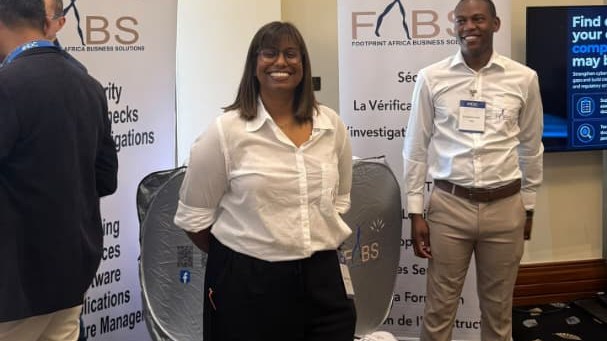
Blessing Phiri with a colleague at the IDC CIO Summit
IDC CIO Summit, with a colleague from the FABS team
about~ a brief

I'm a Technical Solutions Engineer at Footprint Africa Business Solutions, working across cloud infrastructure, platform engineering, security and AI solutions. I take customer engagements from technical discovery and solution architecture through demonstrations, PoCs, proposals and implementation, combining hands-on engineering with a clear understanding of business requirements.

Before that, I spent five years at Advanced Communication Systems in Harare, progressing from voice and network infrastructure into platform engineering. I'm a CNCF Kubestronaut with six Red Hat certifications, alongside credentials in Terraform, Microsoft Azure and FinOps.

My background in accounting gives me a different perspective on technology. I look beyond whether a solution works to what it costs, how it manages risk and whether it delivers business value. I can discuss total cost of ownership with business stakeholders, work through compliance requirements with security teams, and collaborate with engineers to build the platform.

Blessing Phiri at a Red Hat customer AI event
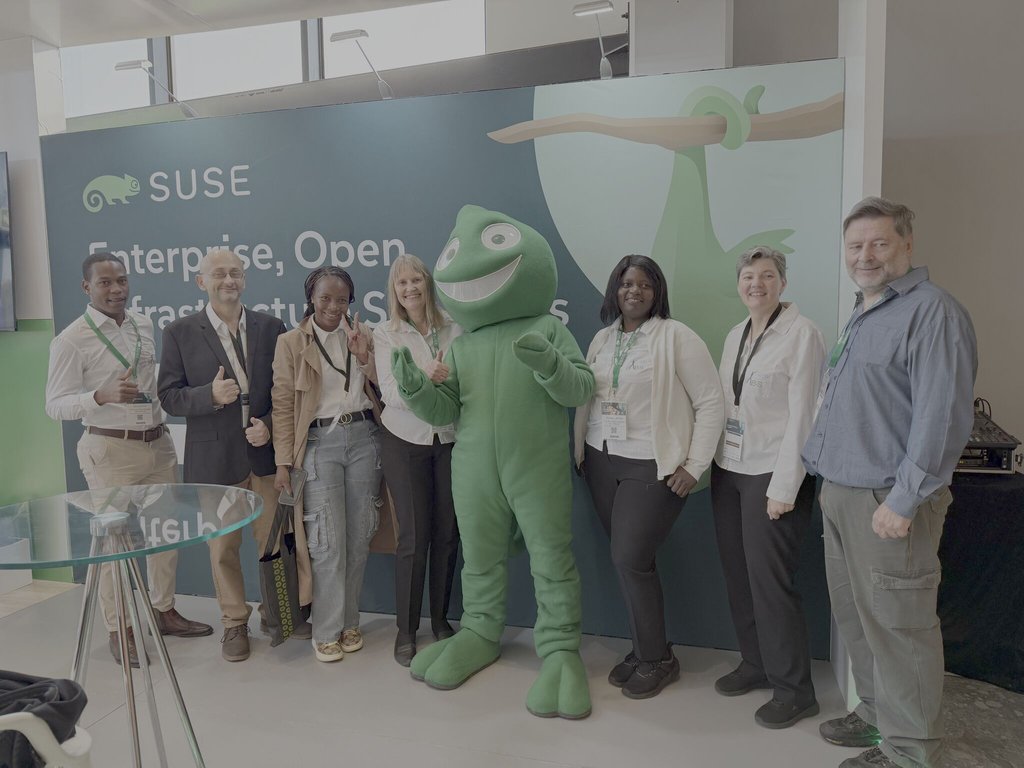
Blessing Phiri with colleagues at the SUSE Summit
certified · 11 active
KubestronautRHCSA EX200EX294EX188EX316EX280EX467FinOps PractitionerTerraformAZ-104OCI DevOps Pro
demosinteractive walkthroughs
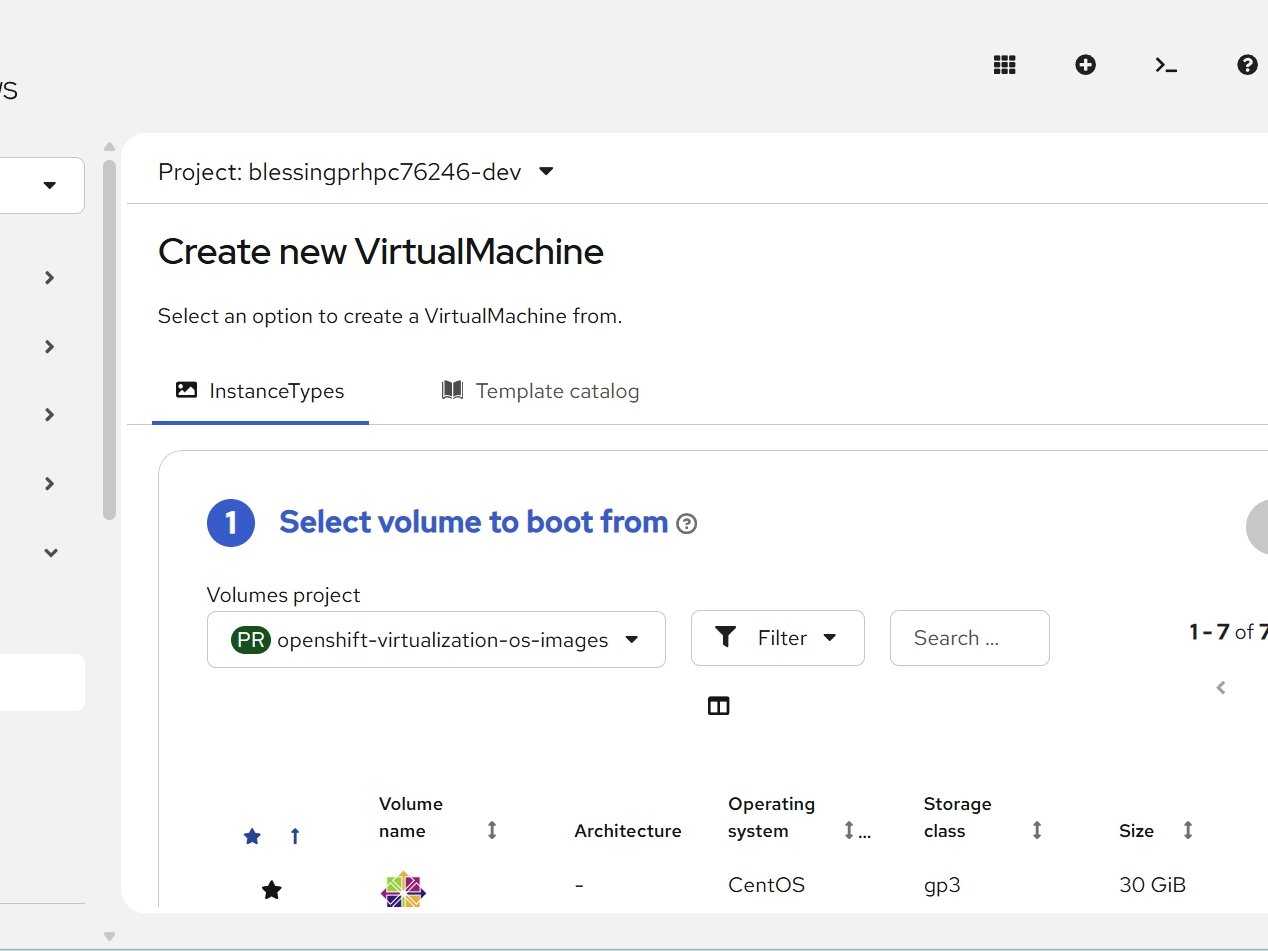
Create new VirtualMachine screen in the OpenShift console
Create and configure VMs in OpenShift ↗2026
Click-through walkthrough of running virtual machines on OpenShift Virtualization, the way I'd show it to a team leaving VMware.
client delivery2 selected · anonymised
client network · users
bare-metal openshift
host cluster on the client's servers
Gateway API
1 external IP · routes by hostname
dev.apps
nested ocp · devcontrol plane · 3 VMsworkers · VMsapps pod network only
test.apps
nested ocp · testcontrol plane · 3 VMsworkers · VMsapps pod network only
prod.apps
nested ocp · prodcontrol plane · 3 VMsworkers · VMsapps pod network only
openshift virtualization · VMs run as pods
existing bare-metal servers · no new hardware
Full OpenShift on limited hardwarecase study↗2026

A client needed several isolated OpenShift environments but had only a few servers and very few IP addresses. I designed a nested architecture that delivered separate clusters on the hardware they already owned, without buying more servers or requesting more IPs.

OpenShiftOpenShift VirtualizationGateway APISolution design
primary cluster
production site · kubernetes
tier 1 · criticalRPO 15 min · RTO 1 hcustomer-facing, payments
tier 2 · importantRPO 4 h · RTO 4 hinternal business apps
tier 3 · standardRPO 24 h · RTO 24 hreporting, dev and test
backup tool
application-aware, runs in cluster · schedule set per tier
resourcesconfigsecretsvolumes
backup
off-cluster storageS3-compatible object storeobject lock · 30 dayscopies can't be changed or deleted, even by an attacker with cluster access
restore
recovery cluster
second site · standby
restore 1st · tier 1back within 1 h
restore 2nd · tier 2back within 4 h
restore 3rd · tier 3back within 24 h
recovery runbookstep-by-step, in tier orderusable by the client's own teamtested on a regular schedule
targets checked, not assumed
A disaster recovery plan built around the business, not the toolscase study↗2026

A financial services client ran critical applications on Kubernetes but had no clear way to recover them if a cluster or site failed. I designed a tiered disaster recovery approach that matched each application's protection to its business importance, with immutable backups, a second recovery location and a documented runbook.

Disaster recoveryKubernetesBackupBusiness continuityFinancial services
presalescase studies · proposals · collateral
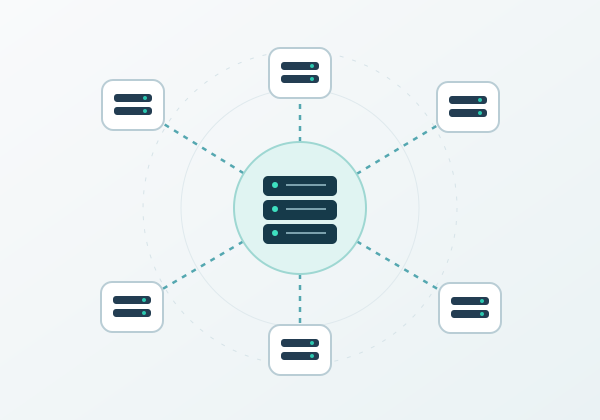
Hub-and-spoke diagram of six country clusters around a central logging hub
Six-country OpenShift platform ↗2026
Statement of work for six bare-metal OpenShift clusters with one central logging hub, from discovery to handover.
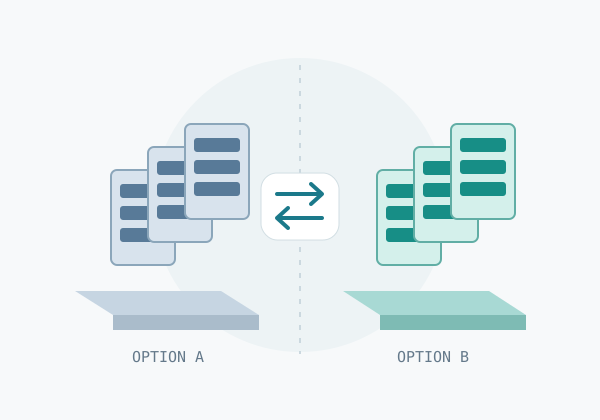
Side-by-side comparison diagram of two virtualization platform options
Leaving VMware: OpenShift Virtualization vs SUSE Harvester ↗2026
Vendor-neutral evaluation for a financial firm with 300 RHEL servers: comparison, TCO model, migration waves and scorecard.
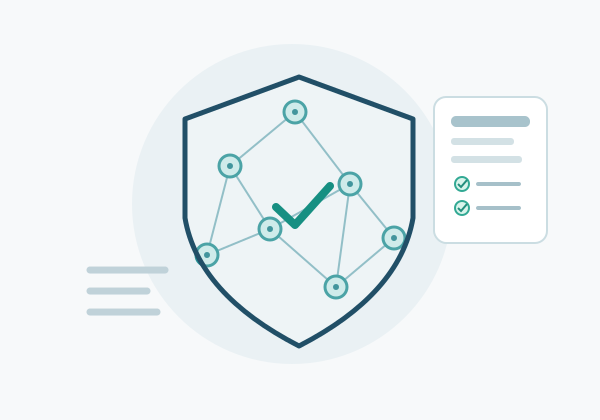
Illustration representing a penetration test engagement plan
External penetration test proposal ↗2026
RFP response scoping a black-box test for a regulated public body: methodology, safety controls and a fixed 61-hour plan.
Comparison diagram for Kubernetes backup tooling options
Kubernetes backup: Veeam Kasten vs NetBackup ↗2026
Comparison brief that reframes the choice around who owns Kubernetes data protection, checked against current vendor docs.
Illustration for the Securiti DataAI sales collateral
Securiti DataAI two-pager ↗2026
Partner sales collateral for Zimbabwe, mapped to local data protection rules and cleared for external use.

Have a platform deal that needs a technical lead?

Download CV ↓blessingphiri79@gmail.com
experiencetimeline
2026, nowTechnical Solutions Engineer
Footprint Africa Business Solutions
2023, 2026Platform Engineer
Advanced Communication Systems
2021, 2023Systems Engineer, Voice and Network
Advanced Communication Systems
2023BSc Accounting
Chinhoyi University of Technology